Back
14-Day Low-Carb Meal Plan, Curated by a Nutritionist
Reviewed by Culinary Nutritionist | Kristy Del Coro, MS, RDN, LDN
Are you looking to revitalize your diet with a focus on health and flavor? Though not for everyone, a low-carb diet meal plan might just be the key to unlocking a healthier, more energetic you. This guide offers a delicious journey into the realm of low-carbohydrate eating, demonstrating how reducing carbs doesn’t mean sacrificing taste. Maybe you're aiming to manage your weight or improve overall health. Or, perhaps you simply want to feel better day-to-day as you transition to a diet rich in lean proteins, healthy fats, and low-carb vegetables. Whatever your objective, keep reading to get up-to-date information about what a low-carb diet involves, why it has gained popularity for various health goals, and how you can start a high-protein, low-carb diet meal plan tailored to your health goals.
Understanding Low-Carb Diets
Low-carb diets are dietary strategies that reduce carbohydrate intake in favor of proteins and fats, aiming to achieve various health benefits such as weight loss, improved metabolic health, and better blood sugar management.
These diets limit carbs to typically between 20 to 150 grams per day, focusing on limiting high-carb foods like sugars, grains, and starchy vegetables. They are popular for their effectiveness in managing obesity and diabetes and may help reduce risk factors associated with heart disease.
Variations of low-carb diets include the ketogenic diet, the paleo diet, and the Atkins diet, each catering to different dietary needs and health goals. Also, bear in mind that switching to this diet (or any new diet) should ideally call for a consultation from qualified healthcare professionals or dietitians so you can be sure it aligns with your specific health needs and lifestyle preferences.
Benefits of a Low-Carb Diet
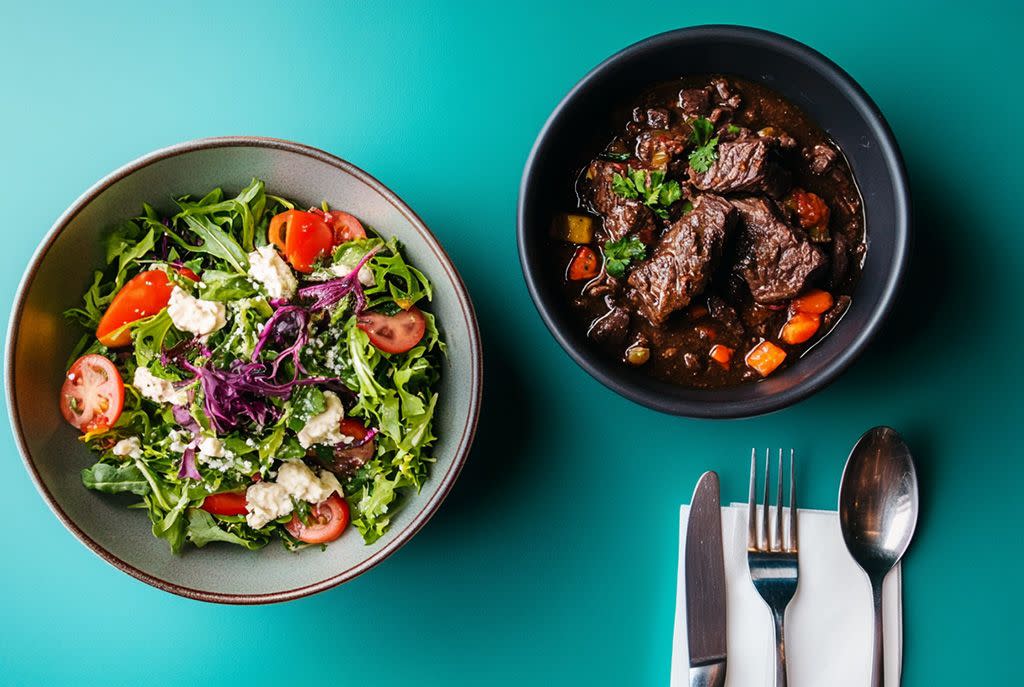
A low-carb diet is widely recognized for its effectiveness in promoting weight loss, with additional health benefits that extend well beyond just shedding excess weight. Reducing carbohydrate intake means your body shifts from burning carbohydrates to burning fat as its primary energy source, which can significantly improve body composition.
According to Harvard Health Publishing, a low carb diet has several benefits; it may help stabilize blood sugar levels and reduce insulin resistance in people with diabetes and pre-diabetes as well as lower triglyceride levels and increase good HDL cholesterol, important markers for assessing health disease risk.
Potential Risks of Low-Carb Diets
Despite the appealing benefits, low-carb diets are not without risks and may not be suitable for everyone. The potential for health risks may be increased for very low carbohydrate diets such as the ketogenic diet. According to research, while ketogenic diets have proven to be beneficial for reducing seizure frequency in those with epilepsy, and for reducing body weight, very low carbohydrate diets that are also high in red meat, processed meat, and saturated fat may also increase the risk for chronic diseases such as chronic kidney disease, cardiovascular disease, cancer, and diabetes. This is compounded when protective foods such as vegetables, fruits, legumes and whole grains are also decreased due to their higher carbohydrate content.
There is also a concern about potentially elevated cholesterol levels from increased fat intake which might be consumed in place of carbohydrates. –particularly with saturated fats, which must be monitored closely. The initial adjustment period to a low-carb lifestyle might also include symptoms collectively known as the "keto flu," characterized by headaches, fatigue, and irritability, as reported by the Mayo Clinic. These symptoms reflect the body's adaptation to a lower carbohydrate intake.
For these reasons, it is very important to prioritize health promoting nutrient dense foods in place of carbohydrates when reducing carbohydrate intake.
Key Components of a Low-Carb Diet
A well-planned, low-carb diet is rich in nutrients and satisfying to follow. The key components include a variety of lean proteins such as chicken, fish, and plant-based alternatives. Other components include low-carb vegetables like leafy greens, broccoli, and bell peppers. Healthy fats from sources like avocados, nuts, and seeds are also integral to the diet to meet your calorie needs. It’s also important to incorporate low-carb fruits, such as berries and citrus, which can provide essential vitamins and antioxidants without a high sugar count. Diet quality is very important while following a low carb diet, particularly if you are following it for long term weight management.
Foods to Include in a Low-Carb Diet
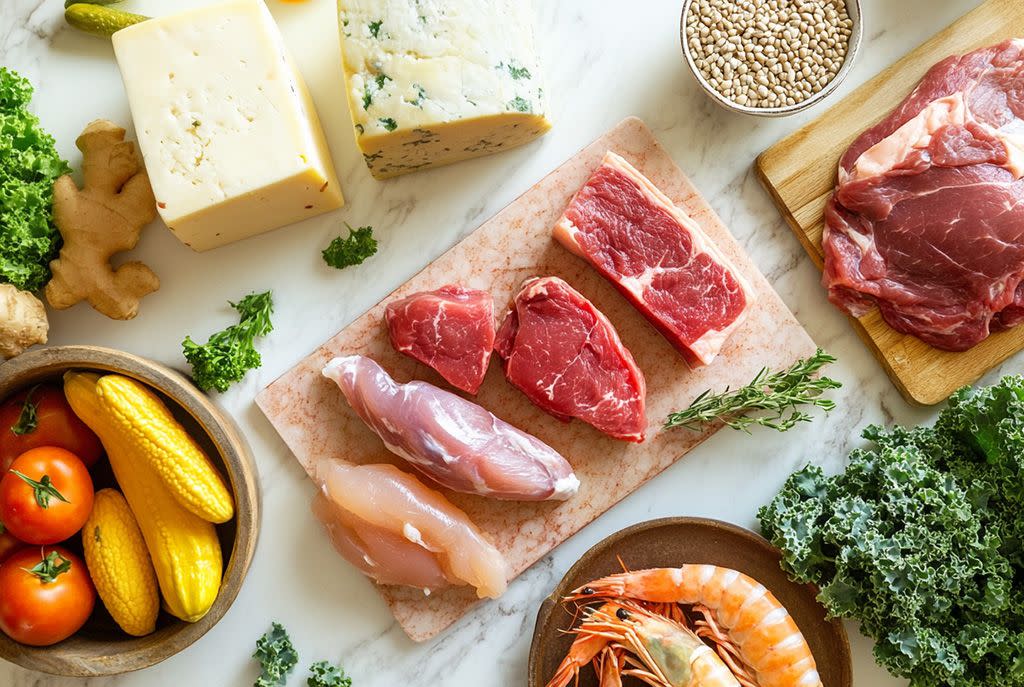
Navigating the world of low-carb eating can be straightforward once you know which foods to prioritize. This section will guide you through the best food choices to incorporate into your low-carb diet meal plan, ensuring you enjoy diverse, nutritious, and satisfying meals. Let’s explore the essential categories: protein sources, healthy fats, low-carb vegetables, and dairy products.
Protein Sources
High-protein meal prep is a cornerstone of any low-carb diet because it lays a foundation for energy, and it’s a key factor in maintaining muscle mass while you lose weight. Opt for high-quality, high-protein, low-carb diet meal plan options such as grass-fed beef, free-range chicken, fish like salmon and trout which also provide omega-3 fatty acids, and plant-based proteins like tofu and tempeh. These proteins not only support your health goals but also help you feel fuller longer, curbing the temptation to reach for carb-heavy snacks.
Healthy Fats
While a low-carbohydrate diet reduces your carb consumption, it typically increases your intake of healthy fats, which provide long-lasting energy and support cell function. Focus on incorporating fats from sources like olive oil, avocados, and nuts and seeds. These fats are not only heart-healthy but also beneficial for your skin, brain, and hormone levels. Remember, the key is moderation, as all fats are calorie-dense. Be mindful to not replace carbohydrates with high sources of saturated fat such as high fat red meat, butter, and large amounts of full fat dairy since excess saturated fat can contribute to health risks.
Low-Carb Vegetables
Vegetables are indispensable in any diet, but in a low-carb diet, it’s important to choose varieties that are low in carbohydrates. Fill your plate with vegetables that have a high water and fiber content such as leafy greens (spinach, kale, Swiss chard, romaine lettuce, arugula, watercress, and more), along with other colorful vegetables like bell peppers, zucchini, broccoli and cauliflower. These vegetables are packed with a variety of essential nutrients for chronic disease prevention and to aid digestion while keeping your carb count low.
Dairy Products
Dairy products can also play a role in a low-carb diet, provided you choose wisely. Opt for high-quality, low-carb options such as Greek yogurt, low fat cheese, and cottage cheese These low-carb foods are excellent sources of calcium, lean protein, and other essential nutrients. Be aware of portion sizes, as some dairy products can be high in calories and saturated fat.
Pro-tip: When food shopping, don’t forget to look at the whole nutrient package including the nutrition facts label and ingredient lists to make sure it meets your overall health needs. Sometimes, “low carb” or “no sugar added” labels can make a food seem healthy but it may still be high in other nutrients that you may want to limit such as saturated fat or sodium.
Foods to Avoid on a Low-Carb Diet
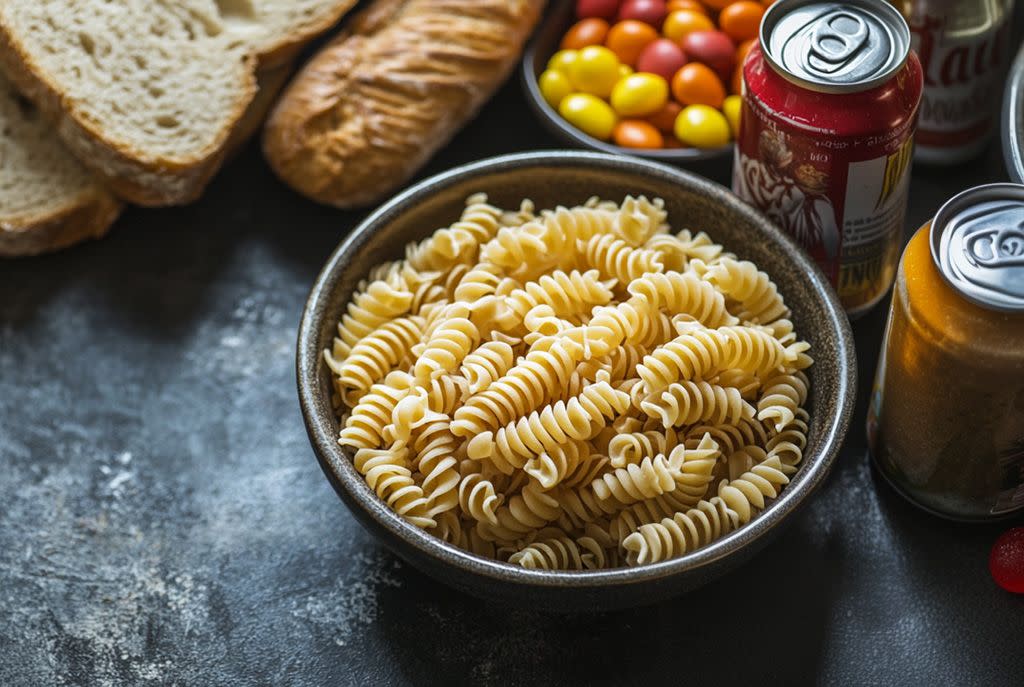
When embarking on a low-carb diet, it's just as important to know which foods to avoid as it is to know which to include. Certain low-carb foods can undermine your health goals by providing excessive carbohydrates that disrupt ketosis, spike blood sugar levels, and lead to cravings. This section highlights the main culprits that should be limited or excluded to maintain a successful low-carb meal plan.
Sugary Foods and Beverages
Sugary foods and beverages are the top offenders for anyone following a low-carb diet. This category includes obvious choices like soft drinks, candies, and desserts, as well as less obvious sources like flavored yogurts,granola bars, and cereals. These foods are typically loaded with added sugars and may not offer much nutritional value, leading to quick spikes in blood glucose and subsequent crashes that can trigger further cravings and overeating. Instead, focus on whole, unprocessed foods and consider natural sweeteners like stevia, agave, or monk fruit if you need a sweet touch.
Starches and Grains
Starches and grains, while staples in many diets, are high in carbohydrates and should be limited on a low-carb diet. This group includes bread, pasta, rice, cereals, and products made from wheat or other grains. Even whole grains, though healthier than their refined counterparts, are dense in carbs and can interfere with the metabolic state of ketosis desired in low-carb diets. This does not mean they need to be completely avoided but do need to be limited. Choose starches high in fiber such as quinoa, buckwheat, or bulgur, which take longer to digest and also provide some protein. Explore low-carb alternatives like cauliflower rice or zucchini noodles to enjoy similar dishes without the carb overload.
High Carb Fruits
Although fruits are an excellent source of vitamins, minerals, and fiber, some types are high in sugars and carbs. Fruits such as bananas, grapes, and mangoes can be too high in carbohydrates for a strict low-carb diet. Instead, opt for lower-carb fruits like berries and avocados that provide the same nutritional benefits without the high sugar content. Monitoring portion sizes and integrating these fruits sparingly into your diet can help you enjoy their benefits without compromising your carb limits.
Sample 30-Day Low-Carb Meal Plan
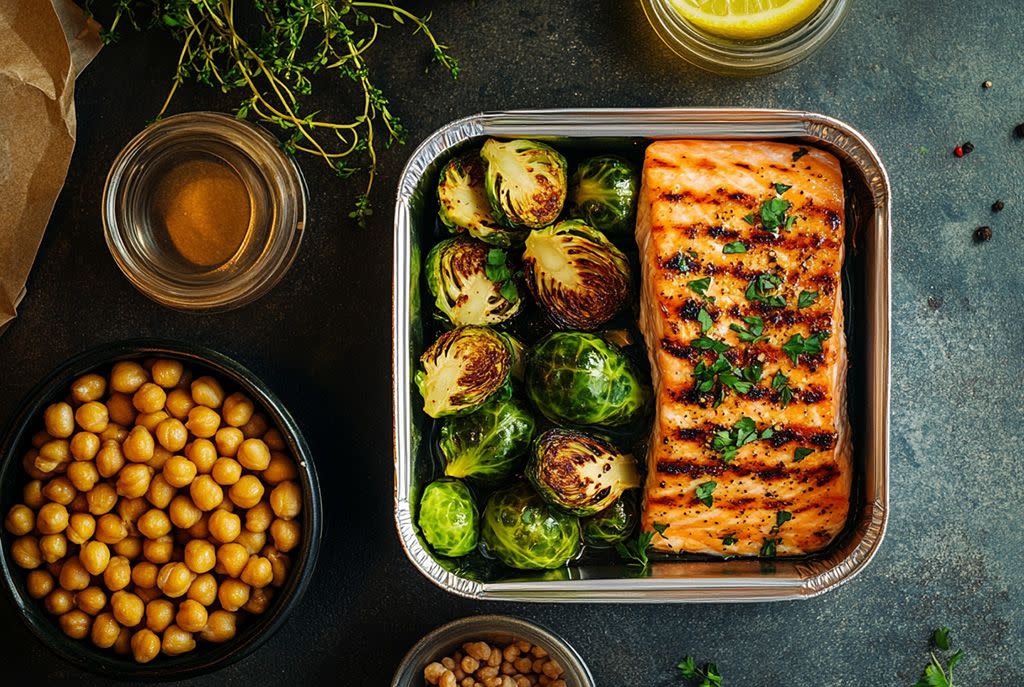
With the right meal plan, it can be an exciting and delicious journey. This section provides a comprehensive 30-day low-carb meal plan designed to help you start or continue your health journey with clarity and variety. These meal suggestions offer balanced, nutrient-rich dishes that support your low-carb diet goals while keeping your taste buds happy.
Week 1: Introduction to Low-Carb Eating
Monday
• Breakfast: Scrambled eggs with spinach and feta
• Lunch: Grilled chicken thighs with sauteed zucchini, cherry tomatoes, and pesto
• Dinner: Zucchini noodles with bolognese sauce
Tuesday
• Breakfast: Greek yogurt with walnuts and blueberries
• Lunch: Turkey wrap with low-carb tortilla and mixed vegetables
• Dinner: Pan-seared salmon with asparagus and a side of cauliflower rice
Wednesday
• Breakfast: Omelet with mushrooms, peppers, and onions
• Lunch: Spinach salad with grilled shrimp and avocado dressing
• Dinner: Beef stir-fry with broccoli and bell peppers
Thursday
• Breakfast: Smoothie with unsweetened soy milk, protein powder, berries, and a handful of spinach
• Lunch: Chicken soup with low-carb vegetables
• Dinner: Pork chops with apple cider vinegar sauce and a side of roasted Brussels sprouts
Friday
• Breakfast: Cottage cheese with flax seeds and sliced strawberries
• Lunch: Sardine salad with olive oil and lemon juice
• Dinner: Grilled steak with garlic butter mushrooms
Saturday
• Breakfast: Avocado toast on low-carb bread
• Lunch: Baked cod with lemon butter sauce and steamed green beans
• Dinner: Chicken curry with mixed vegetables served over shiritaki rice
Sunday
• Breakfast: Low-carb, high protein blueberry pancakes
• Lunch: Egg salad stuffed avocados
• Dinner: Lamb chops with rosemary and garlic, side of roasted radishes
Week 2: Diving Deeper into Low-Carb Cuisine
Monday
• Breakfast: Chia pudding with coconut milk and a pinch of cinnamon
• Lunch: Grilled tofu salad with almonds and sesame dressing
• Dinner: Shrimp and cauliflower grits with a touch of cheese
Tuesday
• Breakfast: Turkey bacon and egg cups
• Lunch: Lean beef lettuce wraps with a spicy peanut sauce
• Dinner: Baked trout with dill sauce and a side salad
Wednesday
• Breakfast: High protein pancakes with sugar-free syrup
• Lunch: Chicken Caesar salad with tofu croutons
• Dinner: Italian sausage with sautéed peppers and onions
Thursday
• Breakfast: Keto bagels with cream cheese
• Lunch: Tuna salad in lettuce wraps
• Dinner: Duck breast with sauce and steamed asparagus
Friday
• Breakfast: Plain Greek yogurt with a scoop of peanut butter and cocoa powder and berries
• Lunch: Grilled portobello mushroom burger with low fat mozzarella cheese,(no bun)a side of coleslaw
• Dinner: Veal scallopini with lemon caper sauce and a side of mashed turnips
Saturday
• Breakfast: Protein shake with avocado and cocoa powder
• Lunch: Grilled shrimp salad with cucumber and fennel
• Dinner: Lamb stew with mashed cauliflower
Sunday
• Breakfast: Cheese omelet with bell peppers
• Lunch: Smoked salmon salad with creamy dill dressing
• Dinner: Roast chicken with thyme and onions, side of sautéed kale
Week 3 & 4: Mastering Low-Carb Living
For weeks three and four, repeat the meal plan from weeks one and two, swapping any meals as per personal taste preferences or seasonal availability of ingredients. This repetition will help reinforce your new eating habits while allowing you to adjust meals based on your experiences and preferences over the past weeks.
Low-Carb Diet Strategies for Specific Lifestyles
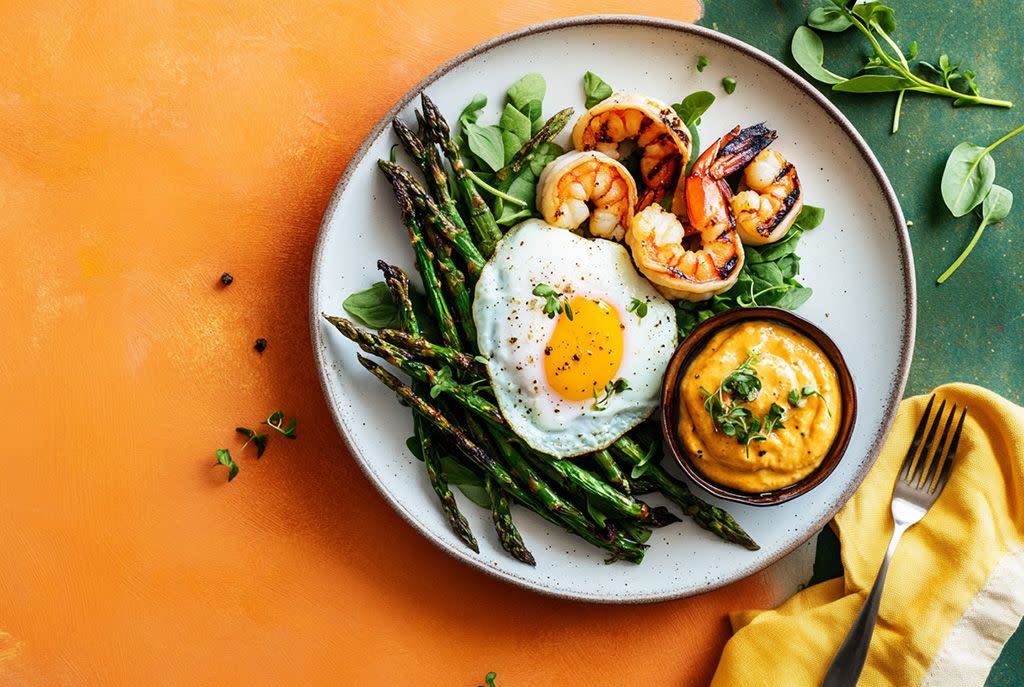
You don't have to toss out everything you love in your culinary life when adopting a low-carb diet because even though carbohydrates are off the menu, you can still adapt and relish this diet. No matter if you’re a vegetarian, managing diabetes, or enjoy frequently dining out, there are smart strategies you can employ to maintain a low-carb regimen tailored to your specific needs.
Creating a Diverse Low-Carb Meal Plan
You know what they say - variety is the spice of life, and it's variety in your low-carbs meals that will help you sidestep meal fatigue while also getting the nutrients you need.
Start by incorporating a wide range of protein sources, such as seafood, lean meats, and eggs. Experiment with different low-carb vegetables like kale, broccoli, and bell peppers to add color and nutrients to your plates.
Don't forget to include healthy fats like avocados and nuts, which can enhance flavor and satiety. For flavor, use herbs and spices instead of sugary sauces or dressings. Planning your meals around this diversity makes your diet enjoyable and also helps you meet your dietary needs without feeling restricted.
Vegetarian Options
Following a low-carb diet as a vegetarian can seem challenging, but with the right approach, it's entirely manageable. Focus on high-protein, low-carb vegetarian foods such as tofu, tempeh, and seitan, which can replace meats in almost any dish. Eggs and dairy products like Greek yogurt and cheese are excellent protein sources and can help add variety to your meals.
Low-carb vegetables and high fiber, high protein legumes, such as lentils, black beans, edamame, and lupini beans should also play a central role in your diet. Nuts and seeds can be added for additional protein and fats, helping to keep you full and satisfied.
Diabetic Considerations
For those managing diabetes, maintaining a low-carb diet can be a key strategy in controlling blood sugar levels. Non-starchy vegetables, lean proteins, and healthy fats should form the basis of your meals. When you do consume carbohydrates, selecting high fiber versions and pairing them with a source of fat and protein will help maintain steady blood glucose levels. Regular monitoring of blood sugar levels before and after meals can help you understand how different foods and meal timings affect your glucose levels, allowing you to make informed dietary choices. Always consult with a healthcare provider to tailor your meal plans to your specific health needs.
Tips for Dining Out on a Low-Carb Diet
Eating out doesn't have to derail your low-carb lifestyle. When dining at restaurants, it's wise to plan ahead by reviewing the menu online and deciding what to order before you arrive. Opt for dishes that are centered around protein and vegetables, and don't hesitate to ask for modifications, such as substituting any high-carb sides with extra vegetables or a salad. Avoid foods that are breaded or fried, and be cautious with sauces and dressings, which can be hidden sources of carbs.
Healthy Low-Carb Recipes
Start an easy low-carb diet meal plan with our collection of healthy low-carb recipes designed to delight your taste buds while supporting your health goals. From satisfying mains to delicious sides, each recipe ensures you enjoy rich, flavorful dishes without the carb overload. Take a gander at these suggested dishes that perfectly align with the low-carb lifestyle.
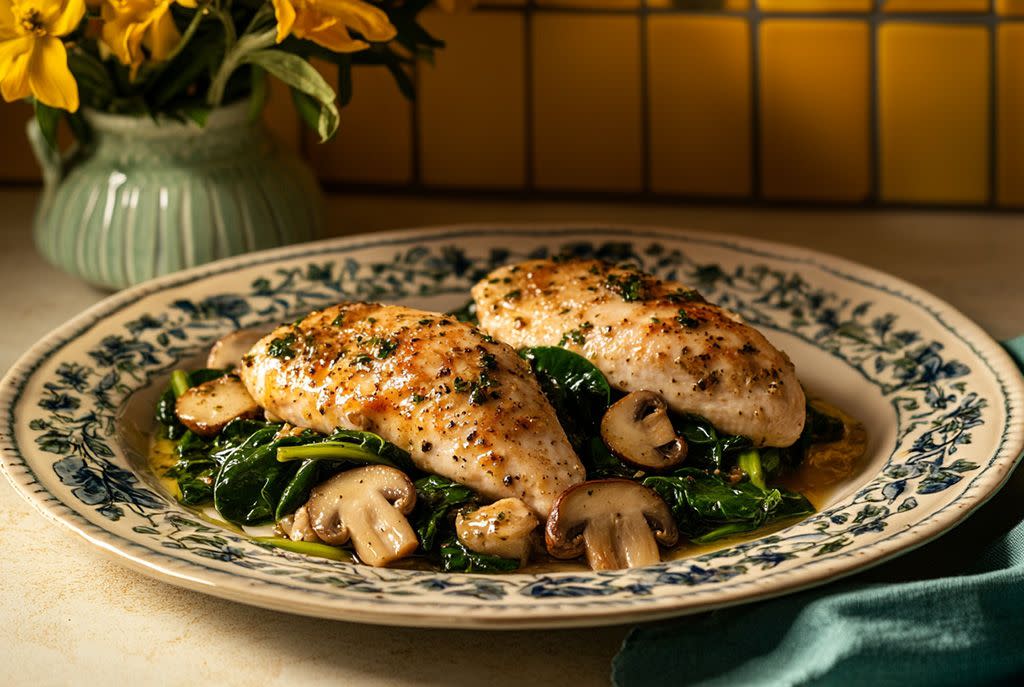
Simple Low-Carb Seared Chicken with Thai Basil-Coconut Sauce and Veggies
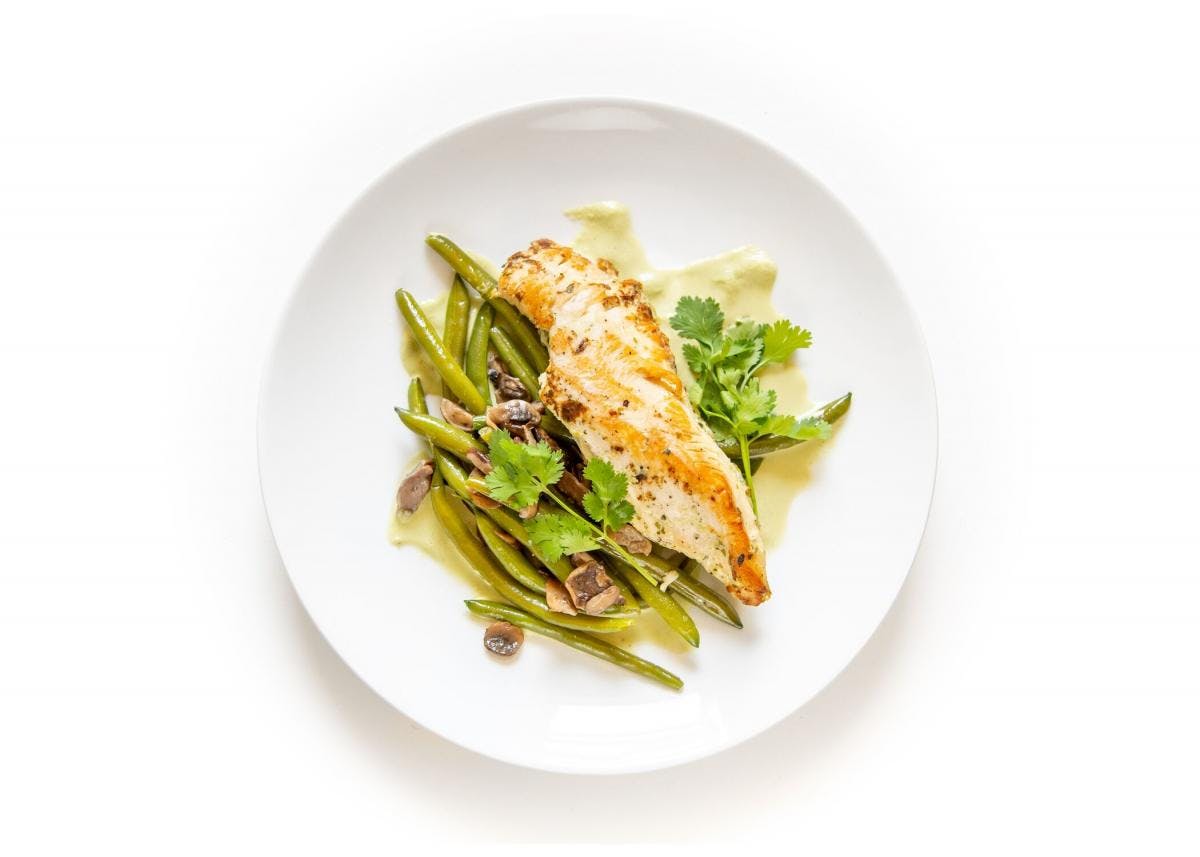
To make this delicious Seared Chicken with Thai Basil-Coconut Sauce, start by seasoning 1 pound of boneless, skinless chicken breasts with salt and pepper. In a large skillet over medium-high heat, heat 1 tablespoon of coconut oil and sear the chicken for 5-6 minutes on each side until golden brown and cooked through. Remove the chicken from the skillet and set aside.
In the same skillet, add 1 cup of sliced button mushrooms and 1 cup of trimmed green beans. Sauté for 3-4 minutes until they begin to soften. Add 2 minced garlic cloves, 1 tablespoon of grated fresh ginger, and 1 finely chopped jalapeño pepper (seeds removed) and cook for an additional 1-2 minutes until fragrant. Next, pour in 1 cup of coconut milk, 1 tablespoon of fish sauce, 1 tablespoon of soy sauce, and 1 teaspoon of brown sugar. Stir to combine and let the mixture simmer for 2-3 minutes to allow the flavors to meld.
Return the chicken to the skillet, nestling it into the sauce. Add 1 cup of fresh spinach leaves and 1/2 cup of fresh Thai basil leaves, stirring gently until the greens wilt. Cook for another 2-3 minutes to heat everything through. Too busy to make this chef-inspired dish at home? No worries! Order our irresistible Seared Chicken with Thai Basil-Coconut Sauce — expertly crafted by our talented CookUnity chefs for a comforting yet flavor-packed dinner experience.
Low-Carb Turkey Patties

Mix 1 lb of ground turkey with 1 beaten egg, 1/4 cup of almond flour, 1/4 cup of finely chopped onion, 2 tablespoons of chopped parsley, 1 minced garlic clove, and salt and pepper to taste. Form the mixture into four patties. Cook the patties in a non-stick skillet over medium heat, about 5 minutes on each side, until they are thoroughly cooked. If you’re short on time but long on hunger pangs, try our Low-Carb Turkey dishes for a satisfying, health-conscious meal.
Baked Greek Meatballs
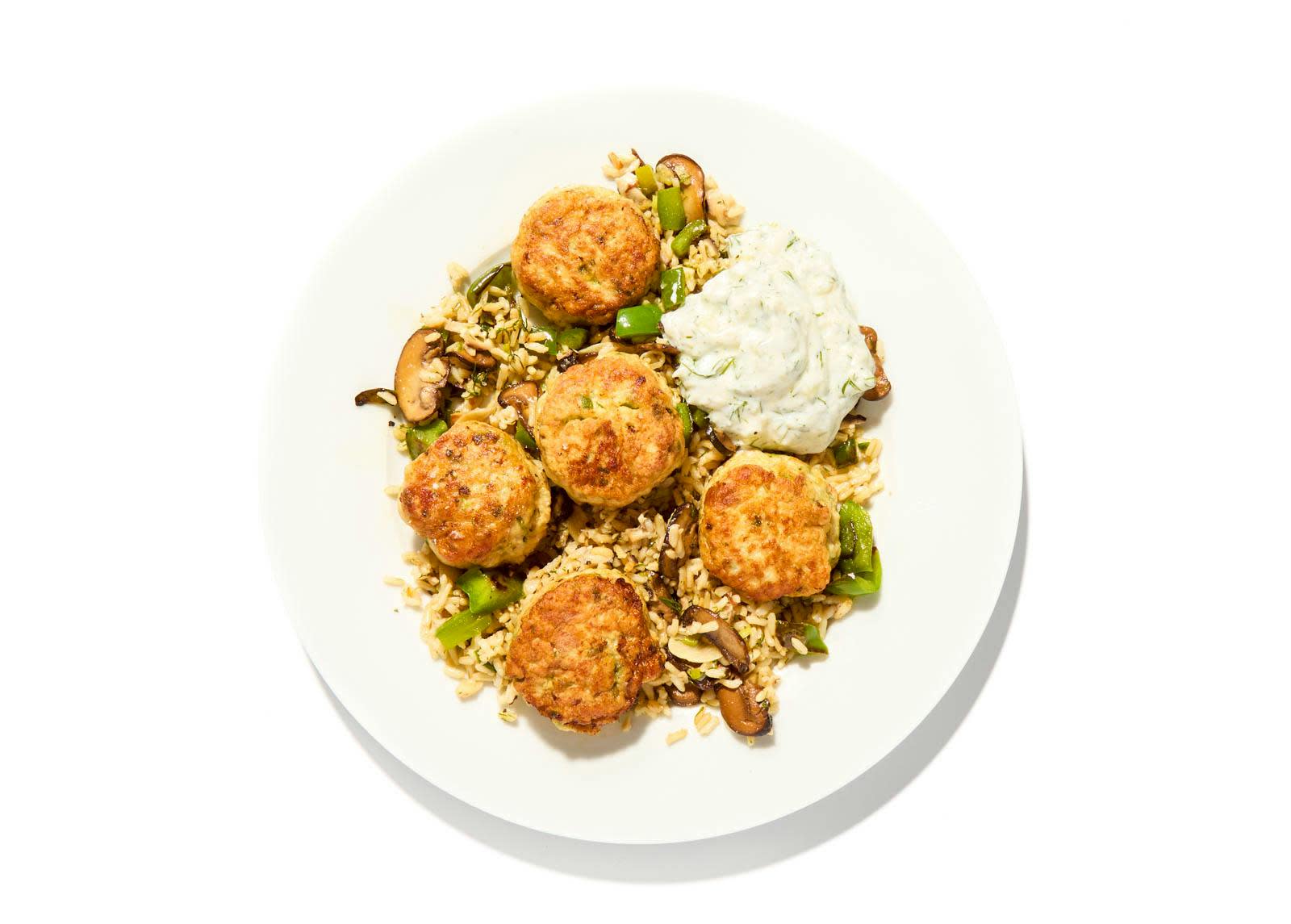
Combine 1 lb of lean ground lamb or beef with 1/4 cup of almond flour, 1 egg, 1/4 cup of crumbled feta cheese, 2 tablespoons of chopped fresh mint, 2 minced garlic cloves, 1 teaspoon of dried oregano, and salt and pepper to taste. Form the mixture into small balls and place them on a baking sheet. Bake at 375°F (190°C) for 20-25 minutes until they are browned and cooked through. Don’t have all the ingredients for this dish? No worries. Order our Baked Greek Meatballs with cauliflower romanesco and roasted peppers. Yum!
Marinated Seared Steak
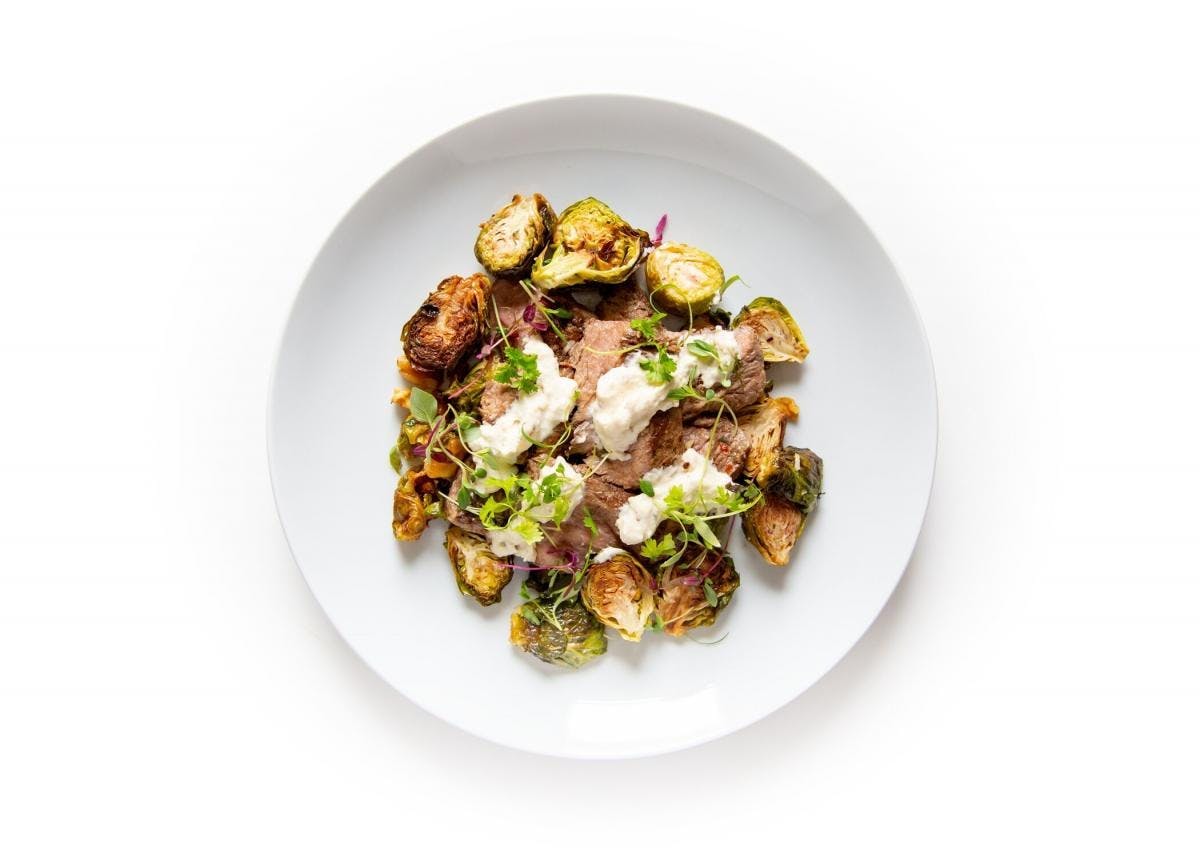
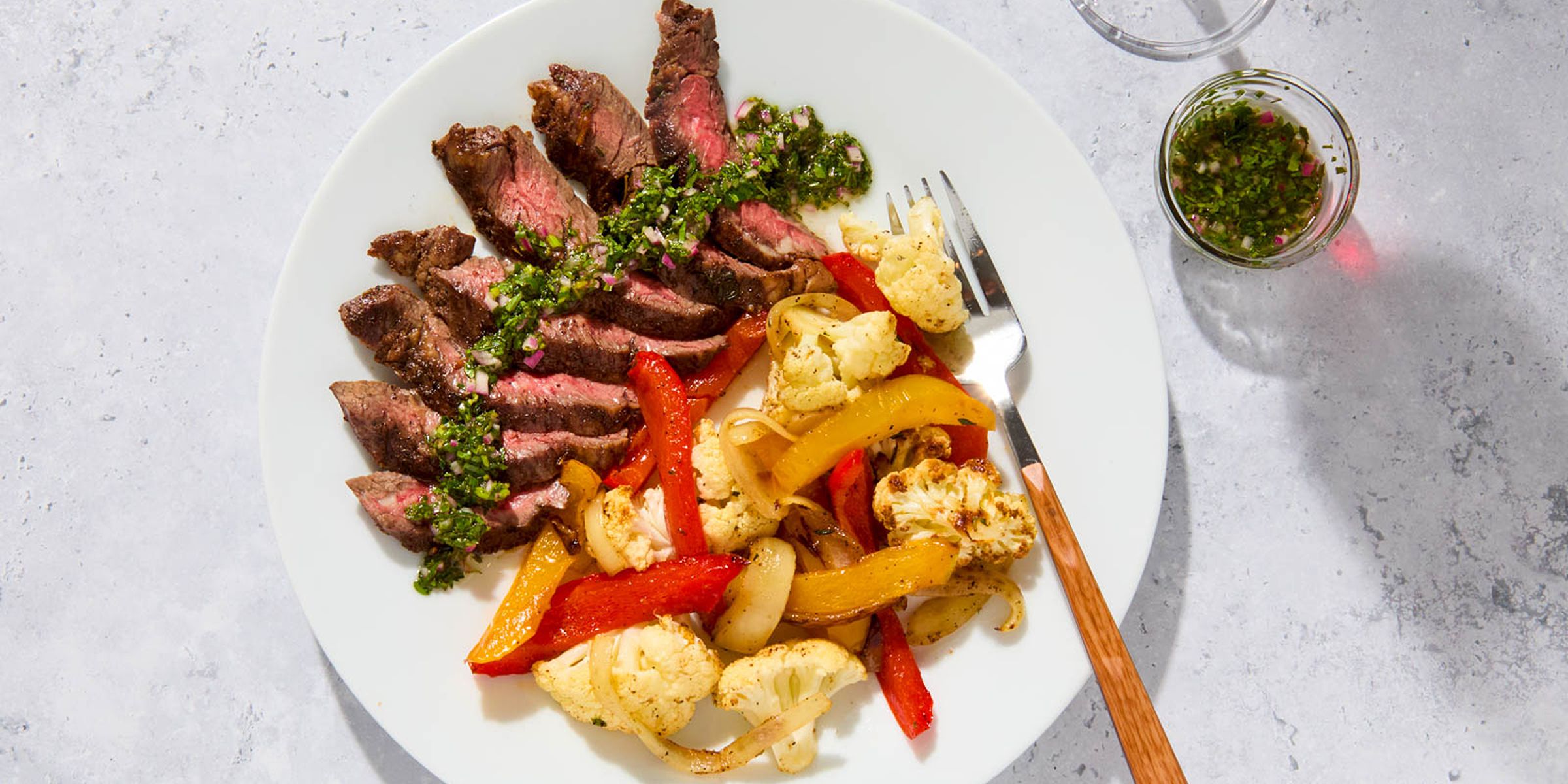
Create a marinade by whisking together 1/4 cup of soy sauce (or coconut aminos), 2 tablespoons of olive oil, 1 tablespoon of Worcestershire sauce, 2 minced garlic cloves, and 1 teaspoon of black pepper. Marinate 2 ribeye steaks in this mixture for at least 1 hour in the refrigerator. Sear the steaks on a high heat grill or skillet, about 4-5 minutes on each side for medium-rare. Allow the steaks to rest for 5 minutes before slicing. If you don’t feel like grilling, opt for our Seared Steak with Horseradish Cream and Brussels sprouts - it’ll be your next mouthwatering favorite.
Spicy Korean Chicken
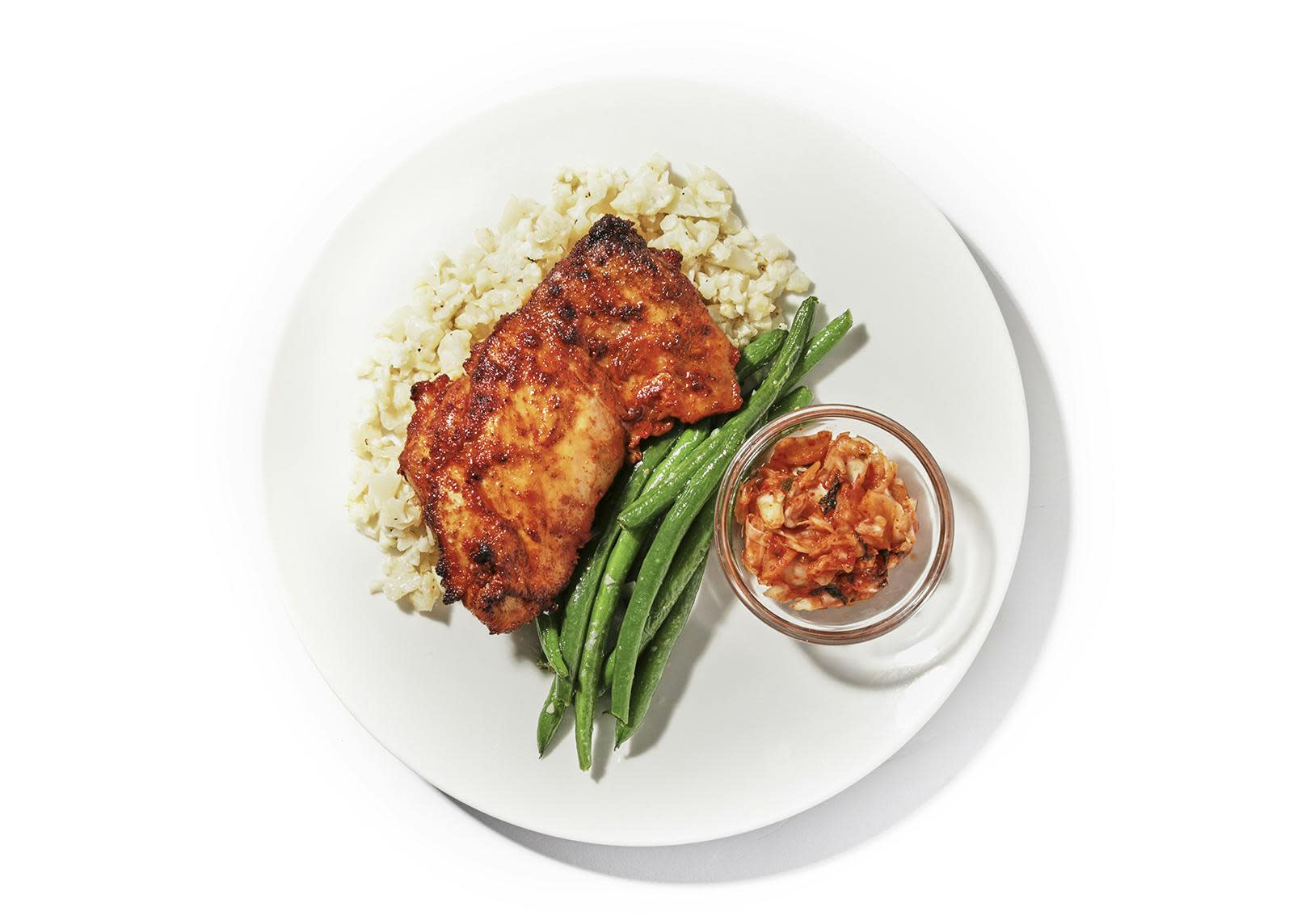
In a bowl, mix 1/4 cup of hot pepper paste (gochujang), 2 tablespoons of sesame oil, 1 tablespoon each of apple cider vinegar and soy sauce, 1 tablespoon of erythritol (or another sugar substitute), 2 minced garlic cloves, and 1 teaspoon of grated ginger. Add 1 lb of chicken thighs, cut into pieces, to the marinade, and let sit for at least 30 minutes. Cook the chicken in a skillet over medium-high heat for about 10 minutes or until cooked through and the sauce has thickened. Better yet, skip the drudgery of kitchen cleanup and go for our Spicy Korean Chicken with kimchi and cauliflower “fried rice” - you’ll love the convenience and the punchy flavor.
Meal Delivery for Low-Carb Eating
Embracing a low-carb lifestyle has never been easier or more delicious, thanks to CookUnity. Imagine planning your low-carb diet 7-day meal plan, with each delicious dish delivered right to your door. That’s what you get with CookUnity. We have hundreds of low-carb meals that are restaurant-quality, chef-prepared, and specially catered to low-carb dieters.
Subscribing and ordering meals from CookUnity is a breeze - just a few clicks on our website, and you'll start receiving fresh meal deliveries that are tasty, easy, and aligned with your health goals.
It makes no difference if you're well-versed in low-carb living or just starting out - CookUnity makes it super simple to stay on track by delivering healthy, low-carb meals that fit perfectly into your busy lifestyle. Explore our menu today and discover how convenient maintaining a low-carb diet can be with CookUnity.
FAQs About Adopting a Low-Carb Meal Plan for Better Health
How many carbs can you have in a low-carb diet?
Typically, a low-carb diet consists of less than 130 grams of carbs per day, depending on individual goals and needs. Some diets such as the ketogenic diet also track net carbs in place of total carbohydrates which is calculated by subtracting the grams of fiber from the total grams of carbohydrate. A more typical intake of carbohydrates is 150-250 grams - up to five times as much as a low carbohydrate diet.
Is a low-carb diet healthy?
Yes, a low-carb diet can be healthy if it includes a variety of nutrient-dense foods and limits ultra processed items high in added sugar, sodium, or saturated fat, focusing on vegetables, protein, and healthy fats and high fiber grains.
Is a low-carb diet safe?
A low-carb diet is generally safe for most people, but it's important to ensure nutritional balance and consult with healthcare providers, especially for those with specific health conditions.
Can a low-carb diet cause heart problems?
There is no definitive link, but high intake of saturated fats on some low-carb diets can raise cholesterol levels, potentially impacting heart health. Choosing heart-healthy unsaturated fats is important.
Are bananas ok on a low-carb diet?
Bananas are higher in carbs and may not fit into a strict low-carb diet but can be included in moderation in more liberal low-carb plans. Pairing bananas with a source of protein and fat such as peanut butter can help reduce the impact on blood sugar.
Is popcorn ok for a low-carb diet?
In moderation, popcorn can be a part of a low-carb diet due to its fiber content, as long as portion sizes are controlled.
What can I drink on a low-carb diet?
Water, coffee, tea, and sugar-free beverages are suitable for a low-carb diet. Alcohol should be consumed in moderation and should be low in carbohydrates.
What is the difference between keto and a low-carb diet?
Keto diets require significantly lower carbs (typically less than 50 grams per day) and higher fats to induce ketosis, unlike more moderate low-carb diets that simply reduce carbohydrate intake without a specific focus on ketosis.
Is a low-carb diet good for weight loss?
Yes, many people find a low-carb diet effective for their weight loss goals due to reduced appetite and increased fat burning however in some individuals this weight loss may be short-term since it is a difficult diet to maintain. Regular physical activity is a key component to maintaining weight after a period of weight loss.
Does a low-carb diet cause hair loss?
Temporary hair loss can occur with any significant dietary change, including starting a low-carb diet, often due to stress or nutrient deficiencies. It's typically reversible by adjusting the diet or with nutritional supplements.This is why it is important to not completely omit an entire food group and to ensure you are still eating a variety of foods to meet all of your nutrient needs.

Be the first to know about new offers
Multiorder discounts, free items and more.