Back
BackHigh-Protein Meal Plan: Maximize Your Transformation
Reviewed by Culinary Nutritionist | Kristy Del Coro, MS, RDN, LDN
If you're looking to build muscle, lose weight, or boost your energy, a high-protein diet meal plan can help you get there. Protein supports muscle repair, metabolism, and overall health. But hitting your daily grams of protein isn't just about eating more chicken breast or adding extra protein powder—it's about balance, variety, and making choices that align with your protein goals. So how much protein do you really need each day, and where should it come from?
In this guide, we'll break down the science behind high-protein diets, share sample meal plans, and show you how to get enough protein without giving up flavor or variety. Whether you're looking for a high-protein, low-fat meal plan, a high-protein, low-carb option, or a weekly eating plan that fits your lifestyle, you'll find simple, practical strategies to help you stay on track.
Understanding the High-Protein Diet
A high-protein diet is backed by science and plays an important role in muscle growth, metabolism, and overall health. Protein supports tissue repair, hormone and enzyme production, and immune function. Whether your goal is to manage weight, build strength, or stay energized, keeping up with your daily protein intake can make a real difference. Let's take a closer look.
Potential Benefits of High-Protein Diets
A balanced, high-protein diet can offer numerous health benefits, including improved muscle tone, higher metabolic rate, and better appetite control. Research consistently shows that a high-protein diet meal plan can support muscle growth, control appetite, and boost metabolic health. A high-protein diet:
Supports Muscle Growth and Recovery: Protein aids muscle repair, which is vital for anyone involved in strength training, bodybuilding, or endurance sports. Research shows that getting enough grams of protein per meal helps protect your muscles and supports recovery after exercise¹.
Enhances Weight Loss, Satiety, and Metabolism: Several clinical trials have found that a high-protein diet helps you stay full longer by lowering ghrelin (the hunger hormone) and boosting peptide YY (the fullness hormone), which can lead to reduced calorie intake². In addition, protein has a higher thermic effect of food (TEF), and consuming protein is associated with an increased induced energy expenditure, meaning it requires more energy to metabolize and potentially increase metabolism, leading to more calorie burning³.
Helps Maintain Bone Health: Contrary to previously held beliefs, new research shows that a well-balanced high-protein diet can lower osteoporosis risk when calcium intake is optimized. It is suspected that a higher protein diet benefits our bones because it increases insulin-like growth factor-1 (IGF-1, a key mediator of bone health), boosts intestinal calcium absorption, suppresses parathyroid hormone, and improves muscle strength and mass⁴.
Just getting started? Check out our Complete Guide to a High-Protein Diet for Beginners.
Key Nutritional Principles of a High-Protein Diet
A successful high-protein diet starts with a smart meal plan—one that includes balanced macronutrients, nutrient-dense foods, and a focus on long-term sustainability. Here are the key principles to help you get the most out of your high-protein diet:
Calculate Your Protein Needs: Your protein needs depend on factors like age, weight, activity level, and overall health goals. The Recommended Daily Allowance (RDA) is 0.8 grams per kilogram of body weight, but people following a high-protein, low-carb diet meal plan, engaging in intense exercise, or older adults may need 1.2 to 1.5 grams per kilogram—or even more in some cases. That said, there's rarely a need to go above 2 grams per kilogram.
Prioritize High-Quality Protein Sources: Aim for complete proteins with all nine essential amino acids. Good options include lean meats (chicken breast, turkey, fish); eggs; Greek yogurt; cottage cheese; lentils; quinoa; soy foods such as soy milk, tofu, tempeh, and edamame; as well as certain nuts and seeds.
Distribute Protein Intake Throughout the Day: Rather than a single large serving, aim for 20–40 grams of protein per meal to optimize muscle synthesis.
Combine Protein with Fiber and Healthy Fats: A high-protein diet weekly meal plan should also include vegetables and healthy fats (avocados, nuts, olive oil) to aid digestion and nutrient uptake.
Stay Hydrated: Higher protein intake demands adequate water to support kidney function and prevent dehydration.
This is in no way medical advice. Always consult a doctor or registered dietitian before changing your diet.
Now that we've got that all down, let's get to the meat and potatoes. Here's the most deliciously rewarding meal plan you've ever seen.
7-Day High-Protein Meal Plan
Planning ahead makes sticking to a high-protein diet both delicious and manageable. This one-week schedule covers protein-rich breakfasts, lunches, dinners, and snacks.
Day 1
Breakfast: High-protein pancakes with fresh fruit and raw honey
Lunch: Turkey and avocado lettuce wraps; sliced cucumbers
Dinner: Grass-fed steak with garlicky green beans; mashed cauliflower
Snacks: Hard-boiled eggs; Greek yogurt with chia seeds
Day 2
Breakfast: Scrambled eggs with spinach and feta
Lunch: Grilled chicken breast over quinoa; roasted Brussels sprouts
Dinner: Baked salmon with steamed asparagus; wild rice
Snacks: Roasted almonds; protein smoothie with banana and flaxseeds
Day 3
Breakfast: Protein oatmeal with walnuts, chia seeds, and cinnamon
Lunch: Shrimp and avocado salad with citrus vinaigrette
Dinner: Grilled tofu stir-fry with brown rice and mixed vegetables
Snacks: Cottage cheese with pineapple; hummus and carrot sticks
Day 4
Breakfast: Chia seed pudding with almond milk; fresh berries
Lunch: Grilled turkey burger on whole wheat; sweet potato fries
Dinner: Baked cod with roasted broccoli; quinoa pilaf
Snacks: Cashews; protein shake with peanut butter
Day 5
Breakfast: Scrambled tofu with black beans and salsa; avocado toast
Lunch: Grilled shrimp on mixed greens with balsamic vinaigrette
Dinner: Lemon herb chicken with roasted zucchini; mashed sweet potatoes
Snacks: Cottage cheese with sunflower seeds; boiled eggs
Day 6
Breakfast: Greek yogurt with granola, flaxseeds, and blueberries
Lunch: Tuna salad lettuce wraps; sliced bell peppers
Dinner: Seared steak with roasted Brussels sprouts; mashed cauliflower
Snacks: Protein bar; celery sticks with almond butter
Day 7
Breakfast: Omelet with mushrooms, onions, and cheddar
Lunch: Lentil and spinach salad with lemon tahini dressing
Dinner: Garlic butter shrimp with roasted asparagus; quinoa
Snacks: Roasted chickpeas; protein smoothie with almond milk
More Delicious High-Protein Meal Ideas
A high-protein diet meal plan doesn’t mean boring food. The following high-protein meal ideas offer plenty of protein, flavor, and variety. Lessen your load and mix in some of these chef-made dishes throughout the week:
Grilled Jerk Shrimp
Grilled jerk shrimp is an excellent choice for a high-protein diet because shrimp is naturally lean and provides significant protein per serving with minimal fat. The jerk seasoning enhances the dish with a bold, smoky, and spicy flavor, while ingredients like cayenne, allspice, and thyme contribute metabolism-boosting properties. This protein would pair well with fiber-rich roasted vegetables—and quinoa for added nutrients and sustained energy. And if you add a side of mango salsa, you’ll bring a touch of natural sweetness along with vitamin C and antioxidants, making it both a flavorful and nutritionally balanced option. Too busy to fix this yourself? Skip the prep and order Grilled Jerk Shrimp Rasta Pasta from Chef Chris Massiah for a taste sensation and 34 grams of protein.
Pulled Pork Barbecue Sandwich
Pulled pork made from lean pork shoulder is packed with protein and provides a rich, smoky flavor while being an excellent source of B vitamins, which support energy production. And if you choose a whole-grain bun, you’ll increase your fiber intake, aiding digestion and promoting satiety. For those following a lower-carb meal plan, serving the pulled pork over roasted cauliflower rice instead of bread will reduce carbohydrate content while maintaining a protein-rich and satisfying meal. If shopping for ingredients and cooking isn’t possible, try our popular Pulled Pork Barbecue Sandwich from Chef Pat LaFrieda with coleslaw nestled in pillowy potato buns, weighing in at 29 grams of protein.
Chicken Mac n’ Cheese
To keep this dish comforting and filling while maximizing your protein intake, combine tender marinated chicken with a high-protein pasta alternative, such as chickpea or lentil-based pasta. With ample levels of protein per serving, this meal supports muscle repair and satiety—and provides complex carbohydrates and fiber. And if you add the right seasoning, you can enhance the dish’s flavor while keeping it in line with a nutrient-dense, high-protein meal plan. Skip the kitchen cleanup and get instant satisfaction with our Adobo Chicken Mac n’ Cheese from Chef Jose Garces. It’ll be a favorite in your household, and clocking in at 41 grams of protein, this cheesy mac will keep you on your high-protein lifestyle track.
Turkey Chili
Turkey chili is an ideal high-protein meal because it combines lean ground turkey with fiber-rich beans and a variety of spices that enhance flavor and boost metabolism. The addition of beans with high-protein turkey increases fiber intake, which aids digestion and keeps you full for longer, making this dish effective for appetite control and weight management. If you stick to the traditional recipe, the combination of warming spices such as cumin, paprika, and garlic adds depth to the dish while contributing anti-inflammatory benefits. If chillin’ with chili on the weekend sounds great, but you don’t feel like cooking, order our Homestyle Turkey Green Chili from Chef Kristy Flores with 41 grams of protein for the ultimate comfort meal.
Sesame Salmon
In addition to its impressive protein content, salmon is rich in omega-3 fatty acids, which support heart health, cognitive function, and muscle recovery. And if you go with a toasted sesame coating, you’ll get a crunchy texture along with beneficial healthy fats. Plus, pairing this sesame salmon with steamed greens and wild rice will ensure a well-rounded meal that is both satisfying and nutritionally balanced. If you’re not up to following a recipe or cooking fish, make life easy by ordering our Sesame Salmon in tamari sauce from Chef Ruben Garcia, which has a whopping 41 grams of protein.
Grilled Flank Steak
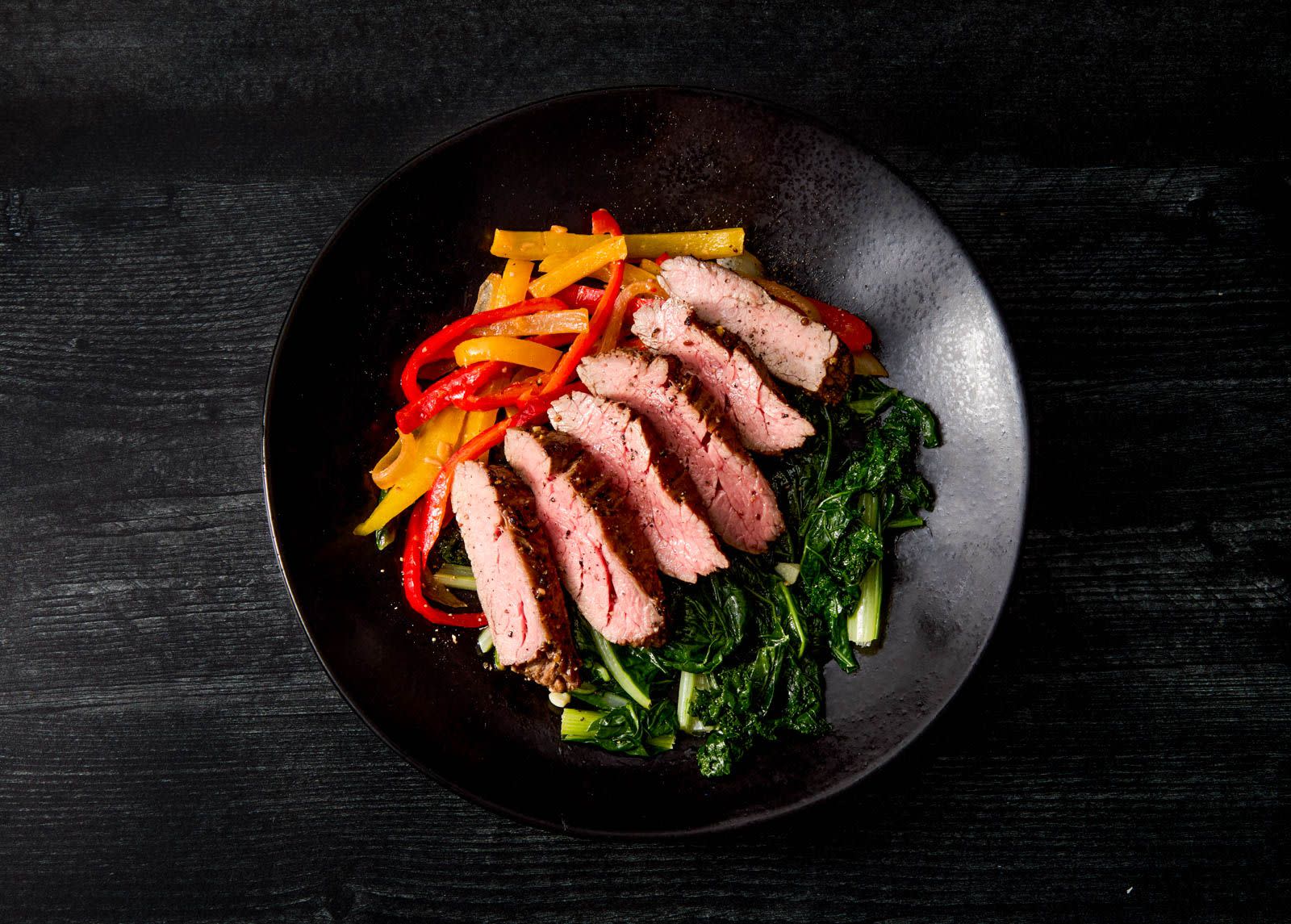
Grilled flank steak is a powerhouse protein option, and it’s also an excellent source of iron, which supports energy production and muscle function, making it particularly beneficial for those engaged in regular physical activity. We recommend marinating the steak in herbs, garlic, and citrus to enhance its flavor while keeping it tender and easy to digest. Lastly, pairing it with roasted vegetables and a quinoa salad will add fiber, vitamins, and complex carbohydrates, ensuring you get a balanced meal that supports muscle recovery and overall health. If you don’t have a grill (or don’t want to haul it out), we have you covered with our Grilled Tagliata Steak from Chef John DeLucie, which boasts an impressive 54 grams of protein.
More High-Protein Food Sources to Include
Building a weekly meal plan for a high-protein diet starts with high-quality foods. Whether you prefer animal or plant-based proteins, pick nutrient-dense ingredients to support your protein goals and overall health.
Animal-Based Protein Sources
Lean meats (chicken, turkey, lean beef, pork loin)
Fish and seafood (salmon, tuna, cod, shrimp)
Eggs and dairy (Greek yogurt, cottage cheese, milk)
Lean deli meats (low-sodium turkey, roast beef, ham)
Plant-Based Protein Sources
Legumes (lentils, black beans, chickpeas)
Grains and seeds (quinoa, chia seeds, hemp seeds, high protein oats)
Soy-based proteins (tofu, tempeh, edamame, soy milk)
Nuts and nut butters (almonds, walnuts, pistachios, peanut butter)
Protein-rich veggies (spinach, broccoli, Brussels sprouts)
Protein-Packed Snacks and Supplements
Protein powders (whey, casein, pea, hemp)
Bars with at least 15–20 grams of protein and minimal added sugar
Nut and seed mixes (almonds, pistachios, pumpkin seeds)
Hard-boiled eggs
Cottage cheese or Greek yogurt with toppings
Differences Between Animal and Plant-Based Proteins
When creating a high-protein diet meal plan, you’ll decide between animal-based and plant-based proteins. Each has its own advantages:
Complete vs. Incomplete Proteins
Animal proteins (chicken, eggs, fish, dairy, beef) typically provide all nine essential amino acids.
Plant-based proteins (lentils, beans, nuts, grains) are often incomplete. However, combining foods like beans and rice forms a complete profile. Certain plant-based protein sources do contain all nine essential amino acids; examples include quinoa, soy, buckwheat, hemp seeds, chia seeds, pistachios, nutritional yeast.
Digestibility and Absorption
Animal proteins have high bioavailability, beneficial for those with higher protein demands.
Plant proteins may contain fiber or anti-nutrients slowing absorption, but sprouting, fermenting, and cooking can improve digestibility.
Nutritional Differences
Animal proteins provide B12, heme iron, omega-3s, and creatine, but can be high in saturated fat depending on the source.
Plant-based proteins are high in fiber and antioxidants, lower in saturated fat, and great for weight loss meal plans in a high-protein diet. However, you may need to eat larger portions of plant-based protein sources to meet your needs, and consider supplementing with omega-3 fatty acids and vitamin B12 if you can’t get enough through diet alone.
Impact on Health and Longevity
Balancing both sources may offer the best results, supporting muscle maintenance, satiety, heart health, and gut health.
Pro Tip: If you’re following a vegetarian or vegan approach, focus on plant-based protein sources like lentils, tofu, tempeh, and quinoa to make sure you’re getting all the essential amino acids.
Pro Tips for Successful Meal Planning
Here are a few pointers from our in-house Culinary Nutritionist, Kristy Del Coro, MS, RDN, LDN:
Plan your meals in advance: Map out meals before shopping, and then meal prep when you get home. Include a balance of animal and plant-based proteins, carbs, and healthy fats. Meal prepping helps you stick to your high-protein diet meal plan and ensures protein-rich options are always on hand.
Batch cook protein sources: Grill or bake chicken breasts, cook quinoa or lentils in large batches, hard-boil eggs, and prepare baked salmon or lean beef for multiple meals.
Prep protein-packed snacks: Keep Greek yogurt (and toppings), protein shakes, nut mixes, and cottage cheese ready for quick snacking.
Lean in on convenience foods: Not everything has to be made from scratch. Convenient pre-made foods like rotisserie chicken or oven-roasted, minimally processed deli meats can be good to have on hand. Shelf staples like canned tuna or salmon or low sodium canned beans are also great protein sources to stock your pantry.
Cook with versatile high-protein ingredients: Chicken can go into wraps, salads, or stir-fries; quinoa can be a side dish, salad base, or breakfast option.
Common Challenges and Solutions
Despite its benefits, a protein-forward diet can pose certain challenges. Below are common issues and how to address them.
Addressing Health Risks
Consuming excessive protein—especially from limited sources—may cause issues if not managed properly.
Kidney Strain and Hydration Needs: In healthy individuals, high-protein intake isn’t harmful, but hydration is crucial; drink enough water to flush out excess nitrogen.
Digestive Issues and Fiber Deficiency: High-protein, low-carb diets can lack fiber. Include vegetables, legumes, chia seeds, and whole grains along with adequate hydration to prevent constipation.
Nutrient Deficiencies and Balanced Eating: Don’t overlook vitamins and minerals like calcium, potassium, and magnesium. If you’re plant-based, watch your intake of B12, iron, calcium, and omega-3s.
Overeating Protein and Caloric Surplus: Even with a high thermic effect, too many calories lead to weight gain. Pair lean proteins with fats and fiber-rich carbs for balance and be mindful of portions.
Creating a Grocery List for Your High-Protein Meal Plan
A well-organized grocery list keeps you focused on protein-rich staples and avoids unnecessary items:
Lean animal proteins (chicken breast, turkey, lean ground chicken, lean cuts of beef, bison, pork tenderloin, salmon, tuna)
Plant-based protein sources (lentils, chickpeas, black beans, edamame, quinoa, farro, tofu, tempeh, soy milk, nuts & seeds)
High-protein snacks and supplements (protein bars, nut butters, roasted chickpeas, protein powders)
Vegetables and fiber-rich foods (spinach, kale, broccoli, cauliflower, peppers, sweet potatoes)
Healthy fats and cooking essentials (olive oil, avocado oil, nuts, seeds, grass-fed butter)
Stick to the outer aisles of the store for fresh produce, meats, and dairy. Avoid processed foods, and pre-plan meals to maintain a balanced weekly meal plan for your high-protein diet.
Monitoring Caloric Intake and Macronutrient Balance
Eating in a protein-focused way involves macronutrient balance, which ensures protein, fats, and carbohydrates function effectively together.
Understanding Your Daily Caloric Needs: Your daily calories depend on age, activity, and goals. Use a macro calculator to find the right balance for weight loss, muscle building, or maintenance.
Tracking Grams of Protein per Meal: Aim for 20–40 grams of protein per meal. For a daily target of 150 grams, break it down across breakfast, lunch, dinner, and snacks.
Balancing Protein with Fats and Carbs: Healthy fats (avocados, nuts, seeds, fatty fish), complex carbs (whole grains, legumes, starchy veggies), and fiber-rich foods (leafy greens, berries) enhance energy and digestion. A high-protein, low-carb diet meal plan works for some, but a balanced approach often helps with sustained energy.
Practical Tools: Apps like MyFitnessPal or Cronometer can help track macros and ensure you don’t exceed your calorie needs.
Final Thoughts: Fuel Your Body Without the Hassle
You don’t have to cook every day to maintain a protein-centric diet. By focusing on high-quality protein sources, strategic meal planning, and balanced macros, you can enjoy delicious, high-protein meals that support weight loss, muscle gain, or overall wellness. Ultimately, a well-structured, high-protein diet provides the nutrients your body needs to thrive.
But if meal prep feels like a drag, CookUnity has you covered. Enjoy chef-prepared, high-protein meals delivered straight to your door that give you a wide variety of options, crafted by culinary experts who balance nutrition and flavor. We make ordering meals easy, so you can forget grocery shopping and prep—just heat, eat, and enjoy restaurant-quality meals at home.
Once you experience the convenience of CookUnity, you won’t want to go back. Browse our menu today, and get high-protein meals delivered directly to your doorstep!
FAQs About High-Protein Meal Planning
What yogurt is good for a high-protein diet?
Greek yogurt and Icelandic skyr are excellent. They have roughly twice the protein of regular yogurt and minimal sugar, and you can choose between plain and unsweetened options.
Does a high-protein diet cause constipation?
It can, if fiber intake is too low. Include vegetables, legumes, and whole grains to support digestion.
Is a high-protein diet good for weight loss?
Yes. A high-protein diet for weight loss meal plan can control appetite, boost metabolism, and preserve muscle mass while reducing calories.
Is a high-protein diet healthy?
When combined with fiber, healthy fats, and micronutrients, a high-protein diet meal plan is beneficial for muscle growth, metabolism, and overall health.
Does a high-protein diet cause gas?
Dairy and legumes may cause bloating in some people. Stay hydrated, mix animal and plant-based proteins, and gradually increase intake of fiber-rich foods to reduce discomfort.
Does a high-protein diet cause kidney stones?
It may increase risk, if hydration is low and calcium intake is unbalanced. Drinking water and consuming calcium-rich foods (e.g., leafy greens) helps prevent this.
Is a high-protein diet good for you?
Yes—if it’s well-balanced with fiber, nutrients, and healthy fats, it supports muscle repair, weight management, and metabolic health.
Can a high-protein diet cause weight gain?
If you consume more calories than you burn—even from protein—weight gain can occur. Pair it with physical activity and a balanced diet.
Can a high-protein diet cause heart problems?
When properly balanced, a protein-centric diet that includes lean meats, fish, and plant-based sources can support heart health—as long as you limit processed meats and saturated fats.
Does a high-protein diet build muscle?
A high-protein diet alone will not build muscle, but protein is essential for muscle growth and recovery. When a high-protein diet is combined with strength training and adequate calories, that will help build muscle.
Protein-Packed and Ready for More?
You’ve got your plan—now round it out with the tips, recipes, and insights that’ll keep your meals working as hard as you do. These high-protein reads help you stay strong, satisfied, and never bored:
20 Carnivore Diet Snacks: Animal-Based, Easy, On-the-Go Options
Carnivore Diet Meal Plan: 7-Days of Breakfast, Lunch, & Dinner
Sources

Be the first to know about new offers
Multiorder discounts, free items and more.